High-Nutrient Kenkey Varieties in Yamoransa

The Duala Foundation Pioneers High-Nutrient Kenkey Varieties in Yamoransa, Cape Coast.
Kenkey has long been a cherished part of Ghana’s culinary and cultural heritage. Originating from the Ga and Fante communities, this fermented maize dish has nourished families for generations and become a symbol of togetherness across the nation. Traditionally enjoyed with pepper, fish, or soup, kenkey remains one of Ghana’s most affordable and filling meals.
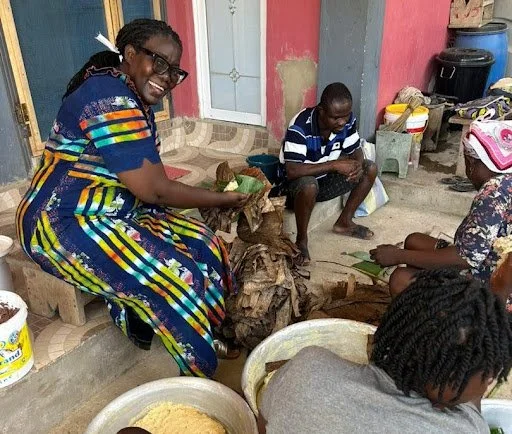
Today, in the kenkey hub of Yamoransa near Cape Coast, a new chapter is being written, one that combines tradition with innovation. The Duala Foundation is proudly leading this movement by introducing High-Nutrient Kenkey Varieties made from Moringa, Red Millet, and Soyabean. These enhanced recipes not only celebrate Ghana’s culinary identity but also tackle the pressing issue of malnutrition, especially among children.
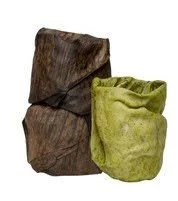
1. Moringa Kenkey
Known as the “miracle tree,” moringa is rich in vitamins A, C, and E, as well as calcium and iron. When blended into kenkey, it provides a natural boost to the immune system, supports growth, and improves overall vitality. For children, moringa kenkey aids brain development and energy levels, while adults benefit from its antioxidant and anti-inflammatory properties.
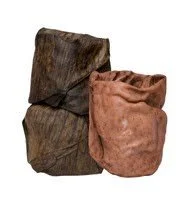
2. Red Millet Kenkey
Red millet is a wholesome grain packed with fiber, protein, and essential minerals like magnesium and phosphorus. It promotes healthy digestion and strong bones. For children, red millet kenkey delivers lasting energy, helping them stay active and attentive throughout the day.
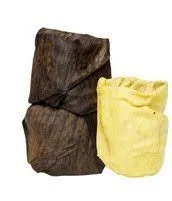
3. Soyabean Kenkey
Soyabeans are a rich source of plant-based protein and healthy fats. By infusing kenkey with soybeans, the Duala Foundation helps bridge protein gaps in local diets, a critical step toward fighting childhood malnutrition. This variety is also perfect for adults seeking heart-healthy, energy-sustaining meals.
Empowering Communities Through Nutritious Innovation
Through these high-nutrient kenkey varieties, The Duala Foundation is not only promoting healthier eating but also empowering local women producers, supporting smallholder farmers, and inspiring nutrition-focused entrepreneurship in Yamoransa.
By reimagining a beloved traditional dish, the Foundation is showing that innovation can start right at home in our kitchens, our farms, and our communities. Together, we can preserve Ghana’s food heritage while building a healthier, stronger generation for the future.